

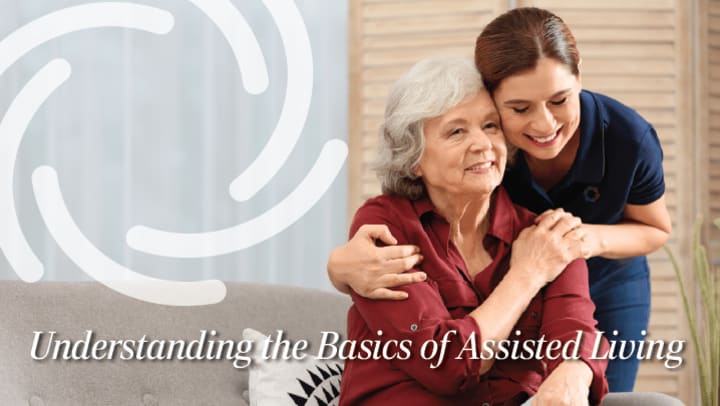
If you’re beginning to explore senior living for yourself or someone you love, you may have questions about what Assisted Living actually means. What kind of support does it provide? How much independence do residents maintain? And how is it different from other senior living options?
Assisted Living is designed for older adults who want to maintain as much independence as possible while having access to personalized support with certain aspects of daily life. It offers a balance of independence and support, along with opportunities to stay active, build relationships, and enjoy everyday life with greater peace of mind.
Understanding the basics can make it easier to determine whether Assisted Living may be the right fit for you or someone you love.
What Is Assisted Living?
Assisted Living provides housing, services, amenities, and assistance for older adults who may need some help with activities of daily living but do not require the level of medical care typically provided in a skilled nursing setting.
Residents generally live in private apartments and are encouraged to remain as independent as possible. Support is tailored to each person's individual needs and may include assistance with:
-
Bathing and personal care
-
Dressing and grooming
-
Medication management
-
Mobility and transferring
-
Toileting
-
Other activities of daily living
The amount of assistance varies from person to person. Some residents may need only occasional support, while others benefit from more regular assistance throughout the day.
What Does Assisted Living Include?
While services vary by community, Assisted Living typically includes much more than personal care.
Residents may enjoy chef-prepared meals, housekeeping and maintenance, scheduled transportation, fitness and wellness opportunities, social events, educational programs, outings, and access to inviting shared spaces.
For many older adults, having these everyday responsibilities taken care of creates more time and energy for the things they enjoy.
Just as important is the opportunity to be part of a community. Instead of coordinating transportation to see friends, attend an exercise class, or participate in an activity, opportunities for engagement are readily available.
How Is Assisted Living Different From Independent Living?
Independent Living is generally designed for older adults who can manage their daily personal needs without regular assistance but want the convenience, amenities, and social opportunities of senior living.
Assisted Living adds personalized support with activities of daily living.
The distinction isn't about giving up independence. In many cases, having help with the tasks that have become difficult can actually help an older adult remain more independent in other areas of life.
For example, someone who has difficulty getting ready in the morning may benefit from assistance with dressing. Once ready for the day, that person may independently meet friends for breakfast, attend a fitness class, participate in an outing, or enjoy other activities.
The goal is to provide the right amount of support without taking over the things a person can and wants to continue doing for themselves.
If you're still determining which level of care may be appropriate, understanding the differences between Independent Living, Assisted Living, and Memory Care can be a helpful place to start.
How Is Assisted Living Different From a Nursing Home?
Assisted Living and skilled nursing serve different needs, although the two are sometimes confused.
Assisted Living focuses on supporting independence while providing help with daily activities. Skilled nursing facilities generally provide a higher level of medical and nursing care for people with more complex health needs.
For many Assisted Living residents, everyday life looks much like it does for other older adults. Residents can enjoy meals with friends, exercise, pursue hobbies, spend time with family, attend events, relax at home, and decide how they want to spend their day.
The difference is that support is available when they need it.
How Do You Know When It May Be Time for Assisted Living?
There isn't one universal sign that tells a family it's time to consider Assisted Living. Often, it's a combination of changes that gradually makes living at home more difficult or less fulfilling.
Some signs may include:
-
Increasing difficulty with bathing, dressing, or other personal care
-
Trouble managing medications
-
Changes in mobility or an increased risk of falls
-
Difficulty preparing nutritious meals
-
Challenges keeping up with household responsibilities
-
Increased reliance on family members for everyday support
-
Isolation or fewer opportunities to socialize
-
Concerns about safety when living alone
It's often helpful to begin exploring options before a crisis occurs. In fact, there can be significant benefits to moving to senior living before a crisis occurs, including having more time to explore options and make a thoughtful decision.
If you're concerned about someone you love, learning how to begin the conversation about senior living can help make the process feel more collaborative and less overwhelming.
What Should You Look for in an Assisted Living Community?
Choosing an Assisted Living community is about more than comparing apartments, amenities, and services. You're also choosing the people and environment that will become part of everyday life.
When touring communities, pay attention to how residents and team members interact. Ask how care plans are developed and adjusted as needs change, how team members get to know residents’ individual preferences and routines, and what communication with families looks like. Learn about dining, wellness programs, activities, transportation, and opportunities for residents to pursue their interests.
Most importantly, consider whether the community takes the time to understand each resident as an individual.
The right community should provide the support someone needs today while continuing to encourage independence, choice, relationships, and personal growth. Knowing what to consider when choosing a senior living community can help you look beyond the surface and focus on the factors that will have the greatest impact on everyday life.
Finding the Right Balance of Support and Independence
Considering Assisted Living can feel like a significant step, but needing some assistance doesn't mean giving up the life you enjoy.
The right support can make everyday life easier, safer, and more fulfilling while giving older adults more opportunities to spend their time doing what matters to them.
At MBK Senior Living, Assisted Living is personalized around each resident's individual needs, preferences, and abilities. Our goal is to provide thoughtful support while encouraging residents to remain engaged in their interests, relationships, and community.
Ready to learn more about Assisted Living? Explore MBK Senior Living communities near you or schedule a visit to discover how personalized support can help you or someone you love continue living with confidence and purpose.