

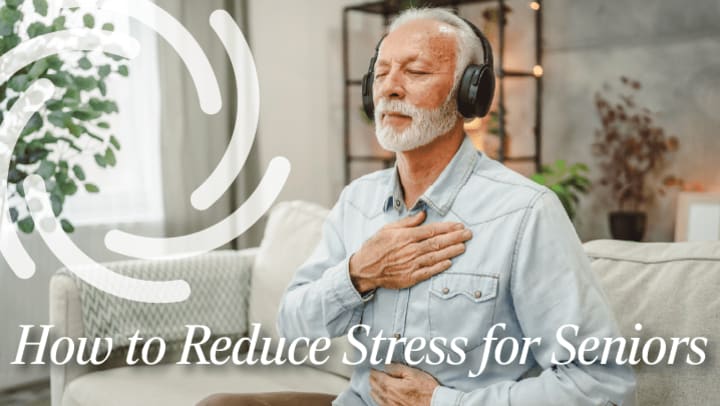
Stress is a natural part of life, but for older adults, it can take on new dimensions. Changes in health, lifestyle, relationships, and independence can all contribute to increased stress levels. The good news is that with the right support and simple daily practices, stress can be managed in ways that support both well-being and quality of life.
Understanding how stress affects seniors—and how to reduce it—can make a meaningful difference in day-to-day comfort, health, and happiness.
How Does Stress Affect Older Adults?
As we age, the body processes stress differently. Physical resilience may decrease, and the ability to recover from stress can take longer. What might have once felt manageable can begin to feel overwhelming.
Stress in older adults often stems from:
-
Health concerns or chronic conditions
-
Loss of loved ones
-
Changes in independence or living situation
-
Financial worries
-
Reduced mobility or activity
Left unaddressed, chronic stress can impact both physical and emotional well-being, making it important to recognize and respond early.
Stress and Heart Health
Stress doesn’t just affect mood. It has a direct impact on the body, particularly the heart. When stress levels rise, the body releases hormones like cortisol and adrenaline. Over time, this can:
-
Increase blood pressure
-
Elevate heart rate
-
Contribute to inflammation
-
Raise the risk of heart disease and stroke
For seniors who may already be managing cardiovascular conditions, reducing stress becomes an important part of overall heart health.
Mental Health in Older Adults
Stress and mental health are closely connected. Prolonged stress can contribute to:
-
Anxiety
-
Depression
-
Irritability or mood changes
-
Difficulty concentrating
In some cases, stress can also worsen cognitive decline or make memory challenges feel more pronounced.
Supporting emotional well-being is just as important as managing physical health. Creating opportunities for calm, purpose, and connection can help restore a sense of balance.
Social Isolation and Loneliness
One of the most significant contributors to stress in older adults is social isolation. Life transitions—such as retirement, loss of a spouse, or limited mobility—can reduce daily social interaction. Over time, loneliness can lead to:
-
Increased stress and anxiety
-
Higher risk of depression
-
Declines in physical health
-
Reduced cognitive engagement
Maintaining meaningful relationships, even in small ways, plays a powerful role in reducing stress and supporting overall wellness.
Signs of Stress in Older Adults
Stress doesn’t always look the same for everyone. In older adults, it may appear in subtle or unexpected ways.
Common signs include:
-
Changes in sleep patterns
-
Increased irritability or mood swings
-
Withdrawal from social activities
-
Fatigue or low energy
-
Changes in appetite
-
Difficulty focusing or making decisions
-
Physical symptoms like headaches or muscle tension
Recognizing these signs early can help prevent stress from becoming more serious.
Stress Relief Tips for Older Adults
Reducing stress doesn’t require major changes. Often, it’s the small, consistent habits that make the biggest impact.
Consider incorporating:
-
Daily movement. Gentle activities like walking, stretching, or yoga
-
Consistent routines. Predictability can create a sense of stability
-
Creative expression. Art, music, or writing can provide emotional release
-
Time outdoors. Fresh air and nature have calming effects
-
Mindful moments. Pausing throughout the day to reset and breathe
-
Connection. Regular conversations with friends, family, or neighbors
Even a few minutes of intentional relaxation each day can help shift the body out of a stress response.
Breathing Exercises for Stress
Simple breathing techniques can quickly calm the nervous system and reduce feelings of stress.
Try this gentle breathing exercise:
-
Sit comfortably with your feet flat on the floor
-
Inhale slowly through your nose for a count of four
-
Hold your breath for a count of four
-
Exhale slowly through your mouth for a count of six
-
Repeat for several minutes
This type of breathing helps slow the heart rate, relax the body, and bring a sense of calm.
Supporting a More Peaceful, Balanced Life
Stress may be a part of life, but it doesn’t have to define it. With thoughtful support, meaningful connection, and simple daily practices, older adults can experience a sense of calm, purpose, and emotional well-being.
At its core, reducing stress is about creating an environment where individuals feel seen, supported, and empowered to live each day with comfort and confidence.
Looking for a supportive environment where wellness, connection, and peace of mind come together? Discover how MBK Senior Living communities create space for a more balanced, fulfilling lifestyle.